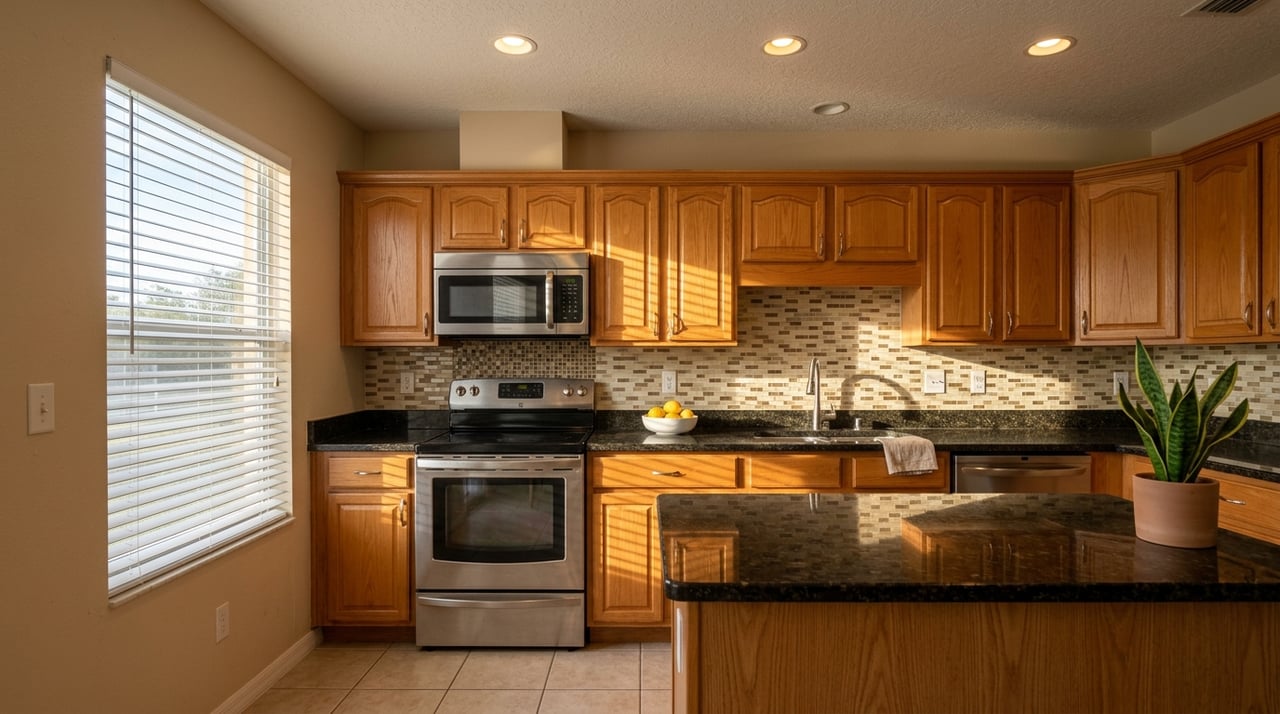
Should You Renovate Or Sell As-Is In Mesa?
June 18, 2026
June 18, 2026
Wondering whether you should renovate before listing or just sell your Mesa home as-is? You are not alone. In a market where buyers have options, the right answer depends less on guesswork and more on your home’s condition, your timeline, and what local comps say about buyer expectations. This guide will help you weigh both paths so you can make a smart, value-focused decision. Let’s dive in.
Mesa’s housing market looks active, but it is not the kind of market where every home sells instantly at any condition level. Realtor.com classified Mesa as a balanced market in March 2026, with homes selling for about 1.14% below asking on average, a median 49 days on market, and a median listing price around $452,000. Zillow’s April 2026 tracker showed an average home value of $435,670, a median sale price of $429,633, and homes moving to pending in about 25 days.
The exact numbers vary because those sources use different methods and timeframes. Still, the bigger takeaway is clear: buyers in Mesa have choices, and presentation can make a difference. That means renovating is not automatically the best move, but neither is listing without any prep.
Selling as-is means you are offering the home in its current physical condition. In simple terms, you are not promising to make repairs or provide warranties for the property’s condition before closing.
That said, selling as-is does not mean you can skip disclosures. Arizona REALTORS notes that an as-is clause does not remove a seller’s duty to disclose known latent material defects. Buyers are still encouraged to review the seller’s disclosure report and consider inspections.
If you do complete work before listing, documentation matters. Arizona’s SPDS asks for contractor names, license numbers, and the scope of work completed within the past year, so it is important to keep permits, invoices, and repair records organized.
Selling as-is can be the right choice when your home is basically functional and the biggest issues are cosmetic or buyer-specific. In that case, it may be better to price the home strategically rather than spend heavily on upgrades that a buyer may not value the same way you do.
This route can also make sense if your timeline is tight. If you need to move quickly, manage a relocation, or avoid the stress of coordinating multiple projects, selling as-is may help you get to market faster.
It can also be a practical option when the work needed is large, expensive, or likely to involve permits and delays. In Mesa, additions and most structural, electrical, mechanical, and plumbing modifications require permits, and some parcels may even need flood-zone approval from the Maricopa County Flood Control District before the permit process starts.
Renovating tends to make more sense when your home has clear condition issues that could affect buyer confidence. If something looks worn, broken, or noticeably dated compared with nearby listings, buyers may either offer less or move on to a better-presented option.
Visible, practical updates usually have the strongest resale case. Zonda’s 2025 Cost vs. Value report found especially strong recoup rates for garage door replacement, steel door replacement, manufactured stone veneer, and minor kitchen remodels. Their broader finding was also useful for Mesa sellers: exterior replacement projects often outperform large custom remodels when resale is the goal.
The National Association of REALTORS 2025 Remodeling Impact Report points in a similar direction. REALTORS most often recommend painting the entire home, painting one room, and new roofing before a sale, and the report found that 46% of home buyers are less willing to compromise on home condition.
If you are thinking about doing some work before listing, focus on updates that improve appearance without turning into a long construction project. In Mesa, painting, updating countertops, and replacing flooring do not require a construction permit, which makes them especially attractive for sellers who want a cleaner, more market-ready look.
The most practical pre-listing improvements often include:
These types of projects can help your home show better online and in person. They also tend to be easier to budget and schedule than a major renovation.
Large remodels are often harder to justify when you are selling soon. Full kitchen overhauls, major bathroom redesigns, room additions, and opening walls can get expensive fast, and the payoff is not always there.
They also introduce more complexity. In Mesa, bigger projects usually require permits, and construction permits can expire if work does not begin within 180 days of issuance. If your goal is to list soon, that process can add time, cost, and uncertainty.
There is also a lifestyle factor to consider. According to the 2025 Remodeling Impact Report, many homeowners remodel because they want to enjoy the space themselves. Only 18% said they remodeled because they expected to sell within two years, while 64% said the project made them want to stay in the home longer.
The best way to decide between renovating and selling as-is is to look at the numbers through a local lens. A comparative market analysis, or CMA, can help estimate what your home may sell for in its current condition versus after targeted improvements.
That comparison should look beyond the headline sale price. You also want to factor in materials, labor, permits if needed, carrying costs, and the time it takes to complete the work and get the home on the market.
In a balanced Mesa market, even small condition differences can influence how buyers respond. But that does not mean every renovation will return dollar for dollar. The smartest approach is usually to fix what is broken, visible, or likely to hurt buyer confidence, then avoid over-improving unless the local comp data shows a clear premium.
If you are still unsure, use this quick framework.
Choose sell as-is if:
Choose targeted renovations if:
It is easy to focus on the highest possible list price, but your real goal is the best overall outcome. Sometimes that means making a few smart updates and presenting the home beautifully. Other times, it means pricing honestly, disclosing clearly, and letting the next owner take on the improvements.
In Mesa, where buyers are active but selective, the best strategy is usually not extreme. It is thoughtful, local, and based on what buyers are responding to right now.
If you want help weighing your options, a local pricing strategy and prep plan can make the decision much clearer. Brittany Arnett can help you compare your as-is value, identify the most worthwhile updates, and create a plan that fits your timeline and goals.
Stay up to date on the latest real estate trends.
Whether you’re buying your first home or selling your current one, Brittany Arnett delivers hands-on support, strong negotiation, and local market knowledge to help you win in Mesa real estate.
BRITTANY ARNETT
2233 S Springwood Blvd Mesa AZ 85209