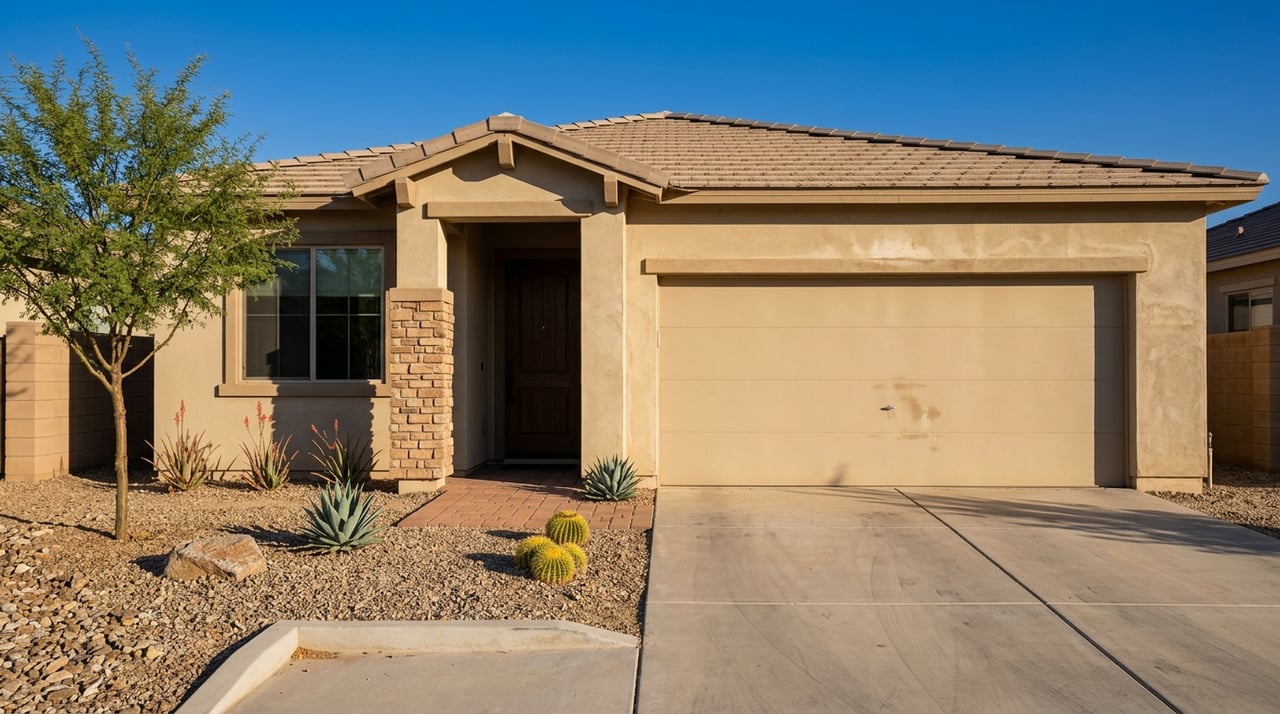
Guide To 55+ And Low-Maintenance Living In Mesa
June 11, 2026
June 11, 2026
Wondering whether Mesa has the right mix of 55+ living and low-maintenance homes for your next move? If you want less upkeep, more flexibility, or a community that fits the way you actually live, Mesa gives you more than one path forward. This guide will help you understand your options, what to compare, and which questions matter most before you buy. Let’s dive in.
Mesa is a large city with plenty of day-to-day services, and it also has a meaningful 55+ population. The U.S. Census Bureau’s July 1, 2025 estimate puts Mesa at 513,656 residents, with 17.5% of residents age 65 or older. That makes Mesa a strong market for buyers who want to downsize without giving up access to a full metro area.
For many buyers, that balance is the real draw. You can look for a home that reduces chores and still stay connected to shopping, freeways, and community amenities. In Mesa, 55+ and low-maintenance living is not one-size-fits-all.
A lot of buyers assume a 55+ home simply means one resident is over a certain age, but the rules are more specific. HUD says housing can qualify for the older-persons exemption when at least 80% of occupied units have at least one resident age 55 or older, the community is intended and operated for older persons, and the owner or manager verifies occupancy with reliable age documentation.
HUD also recognizes a separate 62+ category. Another key point is that the rule applies to the whole facility or community, not just one building within a larger development. If you are considering an age-restricted community, it is smart to ask exactly how the community handles occupancy verification.
Mesa’s market gives you a wide range of home styles and community setups. Official community sites show detached homes, villas, condos, land-owned resort homes, manufactured homes, and park-model options. Many also include shared amenities like pools, clubs, fitness spaces, and activity areas.
That means your decision is often less about whether a home is in a senior-oriented setting and more about how much maintenance and social programming you want handled for you. Some buyers want a full activity calendar and resort-style amenities. Others simply want fewer exterior chores and a manageable home.
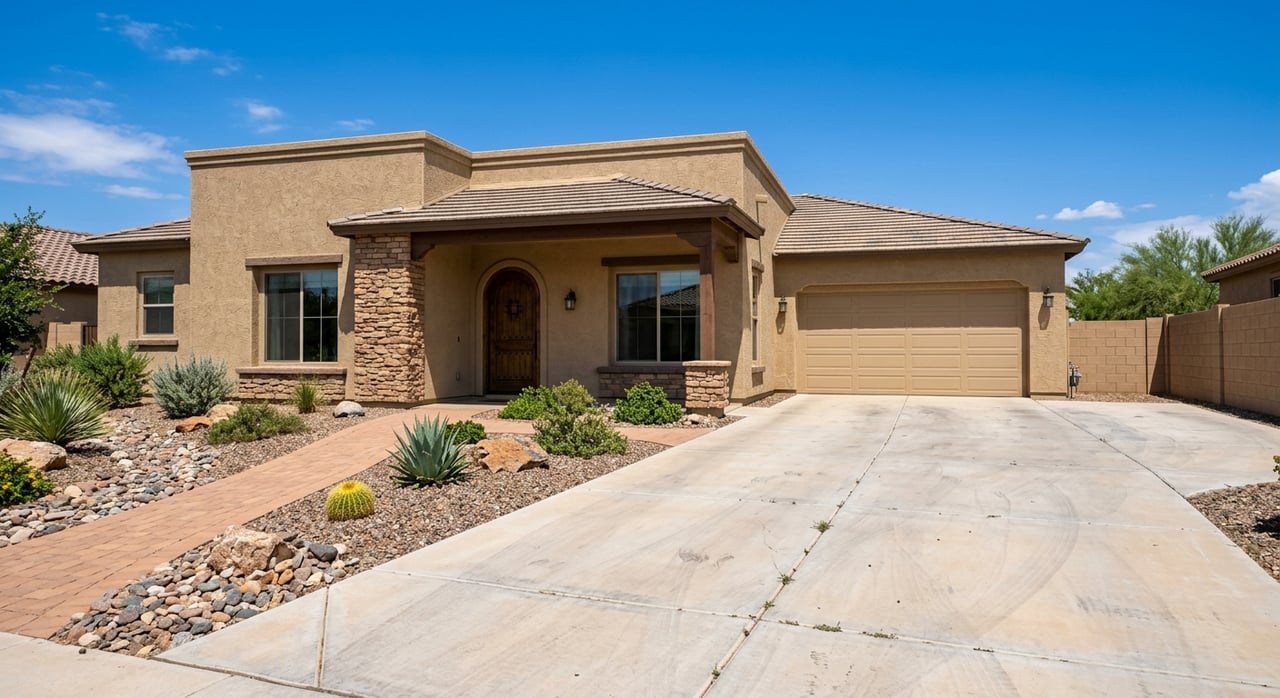
If you want privacy and a traditional home layout, a detached home in an HOA community may be a good fit. In these settings, the association may handle some shared-area upkeep, but your responsibilities can still vary widely depending on the governing documents.
This is where details matter. Landscaping, irrigation, exterior paint, and roof responsibilities are not the same in every community. Arizona’s Department of Real Estate advises buyers to review CC&Rs closely because these documents can also regulate things like parking, exterior changes, and other day-to-day uses.
Villas and condos often appeal to buyers who want a simpler footprint and fewer maintenance demands. These can be a practical option if you want to lock up and leave seasonally or reduce the amount of home you need to care for.
Arizona law draws an important distinction here. A condominium involves separate ownership of the unit with common ownership of the common elements, while a planned community is a mandatory-membership association created to manage, maintain, or improve the property and funded by assessments. For you as a buyer, that can affect maintenance duties, legal documents, and insurance questions.
Mesa also has communities that offer land-owned resort homes, manufactured homes, and park-model living. These can appeal to seasonal residents, downsizers, or buyers focused on ease and lifestyle.
For example, Venture Out at Mesa says it has 1,749 homes and emphasizes land ownership, year-round or seasonal living, and resort amenities. Carriage Manor also says residents own both the home and the land, while the resident-owned HOA maintains facilities, amenities, and grounds. Palm Gardens advertises a 55+ RV park and manufactured-housing community with mobile homes for sale or rent and amenities like a pool, pickleball, and fitness center.
Mesa has a broad menu of active adult communities, each with a different feel and housing mix. Looking at community types can help you narrow your search faster.
Sunland Village is a 55+ active adult community in Mesa with 2,685 homes. Its site says the neighborhood includes single-family homes, villas, and condos, along with three pools, a jacuzzi or whirlpool, tennis and pickleball courts, hobby and craft rooms, and clubs.
This kind of setup may appeal to buyers who want several housing formats inside one community. It can also be useful if you are still deciding how much space or upkeep you want.
Encore at Eastmark is an active 55+ community in Mesa with 970 homes. Community amenities include a heated pool, tennis, bocce, pickleball, a fitness center, movement studio, billiards, arts-and-crafts space, and a café.
If you want a more amenity-rich environment, this is the kind of community model to study. Buyers who enjoy social spaces and organized activity often focus on communities like this.
Apache Wells markets itself as a 55+ adult community with 1,414 homes. The HOA says residents can own or rent as full-time or seasonal residents and use amenities such as a pool and spa, fitness center, shuffleboard, golf, crafts, and clubs.
Sunland Springs Village is described by its HOA as a 55+ master-planned active adult community in Mesa with convenient access to freeways and shopping. Its lifestyle page highlights a full-time activities coordinator, which may matter if you want built-in programming.
Low-maintenance does not always mean maintenance-free. In Mesa, the real question is who handles which tasks, and that answer depends on the community documents.
Before you move forward on a property, confirm who is responsible for:
Arizona’s Department of Real Estate advises buyers to review CC&Rs because they may restrict landscaping, RV parking, play equipment, satellite antennas, and other common features. Even in communities designed to simplify ownership, rules and maintenance splits can be very different from one neighborhood to the next.
Monthly fees can cover a lot, a little, or something in between. That is why it is important to ask not just what the fee is, but what it covers and whether the association has healthy reserves.
For resales, Arizona statutes require associations to provide key documents, including bylaws, declarations, assessment information, reserve information, insurance coverage statements, litigation information, budgets, and reserve studies. The statutes also allow a standard resale-document fee of up to $400 aggregate, with limited rush and update fees.
Those disclosures matter because the declaration, bylaws, and rules function as a contract between the association and the buyer. Arizona statutes also warn that unpaid assessments can lead to foreclosure action. In short, the paperwork is not just a formality. It helps you understand your true cost of ownership.
If you are buying new construction, Arizona’s Department of Real Estate advises buyers to request the Public Report before signing. That report covers utilities, local services, taxes, assessments, and property-owner-association details.
If you are buying a resale, ask for the association disclosure packet early enough to review it during escrow. That gives you time to understand budgets, reserve studies, rules, and any red flags before you are too far into the process.
When you tour 55+ or low-maintenance homes in Mesa, keep your questions focused and practical. A beautiful clubhouse is nice, but the daily ownership details matter more.
Ask these questions early:
These questions can help you avoid surprises and choose a home that truly fits your lifestyle.
In Mesa, the best option often comes down to what you want your next chapter to feel like. Some buyers want an active adult setting with clubs, classes, and social events built into daily life. Others want a quieter low-maintenance home where the main benefit is less exterior work and fewer household chores.
There is no single right answer. The better approach is to match the home and community to your routines, travel plans, budget, and comfort level with HOA structure.
If you want help sorting through Mesa’s 55+ communities, condos, and low-maintenance neighborhoods, Brittany Arnett can help you compare options, understand the details, and find a home that fits the way you want to live.
Stay up to date on the latest real estate trends.
Whether you’re buying your first home or selling your current one, Brittany Arnett delivers hands-on support, strong negotiation, and local market knowledge to help you win in Mesa real estate.
BRITTANY ARNETT
2233 S Springwood Blvd Mesa AZ 85209