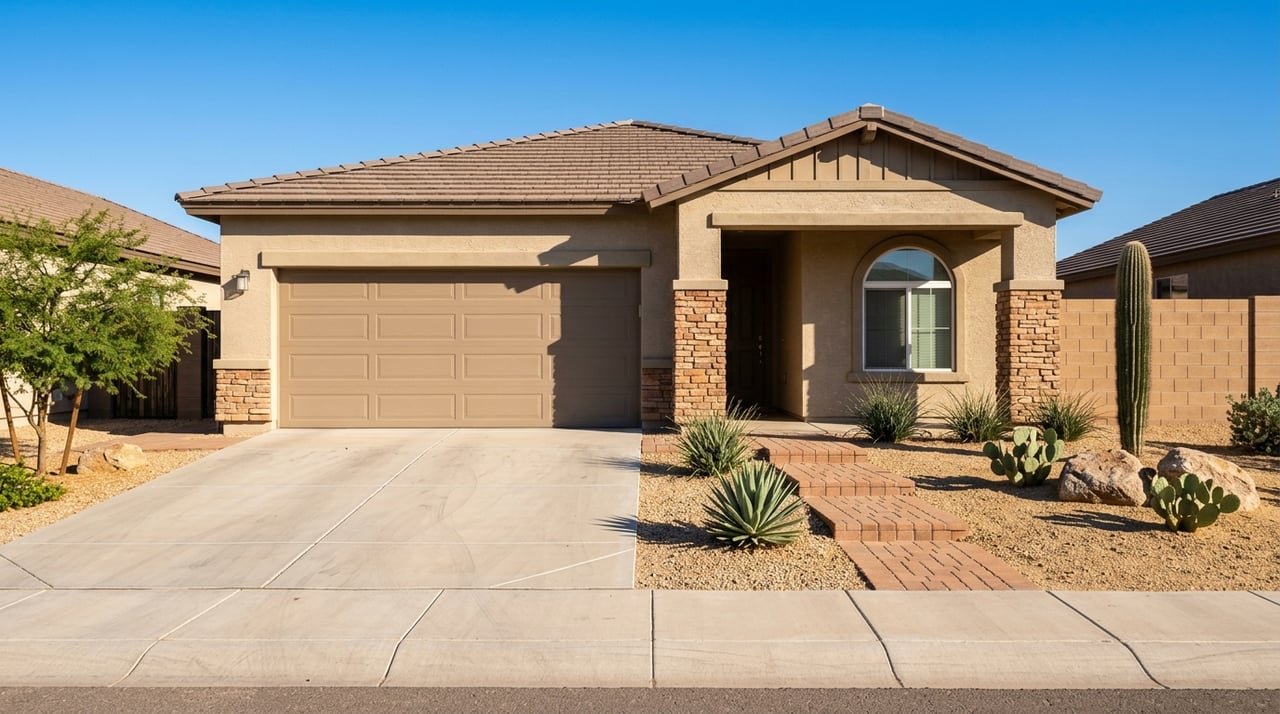
Mesa AZ Outdoor Lifestyle: Parks, Trails, and Recreation
June 4, 2026
June 4, 2026
Thinking about Mesa means thinking beyond the house itself. If you want a place where parks, trails, splash pads, courts, and everyday recreation can shape your routine, Mesa gives you a lot to work with. This guide will help you understand how outdoor living really works in Mesa, what kinds of amenities you may want near home, and what to look for as you narrow down neighborhoods. Let’s dive in.
Mesa’s outdoor lifestyle is not built around just one big destination. The City of Mesa maintains 209 parks across more than 2,060 acres of park land, along with trails, aquatic facilities, recreation centers, an amphitheatre, a golf course, and two spring training stadiums. That wide mix means outdoor time here can be part of your daily life, not just a weekend plan.
For buyers, that matters in a practical way. A home near a walking path, splash pad, or recreation center may change how often you get outside, how easily you stay active, and how much driving you need to do for fun. In Mesa, the right location can support a very different day-to-day rhythm.
Mesa has large destination parks, smaller civic spaces, and neighborhood-friendly places that support different routines. Some are better for play and gathering, while others are better for walking, relaxing, or meeting up with friends and family. That variety is one reason Mesa appeals to buyers with different lifestyles and life stages.
Riverview Park is one of Mesa’s best-known outdoor destinations. The city lists it at 155.3 acres and notes features like a splash pad, shaded playground, fishing lake, picnic areas, and the Rio Salado Pathway. The pathway links Riverview Park, Sloan Park, the Riverview shopping area, and Tempe Town Lake.
This kind of park can be a major lifestyle perk if you like having multiple activities in one place. You can plan a quick playground stop, a longer walk, or a relaxed evening by the water without needing a full day outing. If you are home shopping nearby, it is smart to ask how often the area sees event traffic and parking pressure.
Pioneer Park brings a different kind of energy to central Mesa. The city highlights its splash pad, treehouse play structures, suspension bridge, and food-truck area. That makes it a good example of how outdoor living in Mesa can feel social and active, especially in and around central areas.
If you are comparing neighborhoods near downtown, spaces like Pioneer Park can add flexibility to your week. You may have easy access to a quick outing, a casual meetup, or a place to break up the day with fresh air. That convenience often matters as much as the size of the park itself.
In southeast Mesa, Signal Butte Park and Eastmark Great Park offer amenities like walking loops, splash pads, lakes, dog areas, and reservable spaces. These parks support the kind of routine many buyers want, especially if they are looking for room to walk, gather, or spend time outside close to home.
When you tour homes in these areas, think about how you would actually use the nearby amenities. A short drive or easy route to a park can make a real difference in your weekly routine. For some buyers, that everyday access becomes just as important as the home’s interior features.
Mesa’s outdoor scene goes beyond standard park layouts. Smaller civic spaces can still play a big role in how a neighborhood feels and functions. These places often add convenience and variety to your options for getting outside.
Park of the Canals offers shaded garden areas in a botanical-garden setting. The Plaza at Mesa City Center includes an interactive water feature and a seasonal ice-skating rink. Fountain Plaza Park adds a skate-court area open to bikes, boards, and blades.
These spaces show that outdoor living in Mesa is not one-size-fits-all. Some buyers want a large multi-use park nearby, while others may prefer walkable civic spaces that fit into a shorter, simpler routine. Both can add value to your day-to-day experience.
If trails and connected paths matter to you, Mesa offers more than many buyers expect. The city’s bike and path system includes bike lanes, multi-use paths, canal paths, bike routes, shared lanes, and cycletracks. Current projects like the Red Mountain Shared Use Path, Eastern Canal Shared Use Path, and Lehi Crossing Shared Use Path point to continued efforts to improve connectivity.
That is important because outdoor access is not only about what is nearby. It is also about whether you can comfortably reach it on foot or by bike. In some Mesa areas, a path connection can make a neighborhood feel much more usable for walking, jogging, and casual rides.
A park can look great on a map, but your real experience depends on how easy it is to get there. If a nearby route lets you walk or bike without loading up the car first, that usually makes the amenity more useful. This is one of the details worth paying attention to when comparing homes in different parts of Mesa.
As you explore an area, ask simple questions. Is there a connected path nearby? Are there multi-use routes you would actually use? Does the neighborhood support the kind of outdoor routine you want on a normal Tuesday, not just on a free Saturday?
For bigger outdoor adventure, Usery Mountain Regional Park is a major draw near Mesa’s east side. Maricopa County lists more than 34 miles of trails for hiking, mountain biking, and horseback riding. Options range from the barrier-free Merkle Trail to longer routes like Pass Mountain and the scenic Wind Cave trail.
This is especially useful if you want both suburban convenience and access to desert recreation. You can enjoy Mesa’s everyday parks and recreation system while still being within reach of longer trail outings. Just keep in mind that the park warns visitors to bring plenty of water because desert conditions can be extreme.
Outdoor living in Mesa is not only about open space. The city’s recreation centers and public facilities make active living more structured and more social. That can be a big plus if you want options beyond a simple park visit.
Mesa’s recreation facilities include the Mesa Tennis & Pickleball Center, Red Mountain Center, Eagles Community Center, Jefferson Recreation Center, Webster Recreation Center, and Broadway Recreation Center. Together, they add another layer of usefulness for buyers who want public spaces that support regular activities, not just occasional outings.
Mesa Tennis & Pickleball Center is open to the public and features 16 lighted tennis courts, 21 lighted pickleball courts, and 4 sand volleyball courts. Red Mountain Center is a 65,000-square-foot multi-use facility in northeast Mesa. Eagles Community Center offers an after-school program, a full-size basketball gym, a functional fitness room, and classrooms used for youth sports and summer programs.
For many households, this is what makes Mesa feel especially livable. You are not limited to scenic space. You also have access to places that support lessons, leagues, open play, and organized activities throughout the year.
Mesa’s hot months naturally shape how people use outdoor spaces. The good news is that the city’s aquatic system gives you more ways to stay active during summer. That makes outdoor living here more flexible than a park-only setup.
Mesa Aquatic Complex offers public swim, swim lessons, water exercise, a lazy river, zero-depth entry, and diving boards. Along with the broader city pools and aquatics program, it gives residents more options for warm-weather recreation.
Yes, Mesa’s outdoor amenities are usable year-round, but summer takes planning. The city’s heat safety guidance encourages residents to make a heat plan, use cooling centers when needed, and know where hydration and respite resources are available. That practical mindset is part of living well in the desert.
If you are relocating from out of state, this is an important adjustment. You may still enjoy parks, trails, and outdoor gathering spaces in summer, but the timing and format of those outings often change. Early mornings, evenings, water features, and shaded spaces tend to matter more.
It also helps to understand the basic rules that shape how parks are used. In Mesa city parks, dogs must be on a physical leash no longer than 6 feet. Animals are not allowed in playgrounds, and glass containers are prohibited.
The city also sets hours for parks and recreation facilities. So if a nearby park is part of your home search criteria, do not assume every feature is available around the clock. Checking hours and usage rules can help you better understand how the space will fit your routine.
One of the biggest takeaways for buyers is that Mesa’s outdoor amenities are spread across the city. Central and downtown Mesa include places like Riverview Park, Pioneer Park, Park of the Canals, the Plaza at Mesa City Center, and Fountain Plaza Park. Southeast Mesa includes Signal Butte Park and Eastmark Great Park, while east Mesa connects more directly to larger desert recreation through Usery Mountain Regional Park.
That means there is no single “best” setup for everyone. The better question is what type of outdoor lifestyle fits you best. You may want a splash pad nearby, a connected path for biking, a recreation center with organized programs, or quick access to longer desert trails.
When Brittany Arnett helps buyers compare Mesa neighborhoods, the conversation often goes beyond bedrooms and square footage. It includes how you want to live day to day, what amenities you will actually use, and which parts of Mesa best match that routine. If you are planning a move, that local perspective can make your search much more focused and much less stressful.
If you want help finding a Mesa home that fits the way you live outside as well as inside, reach out to Brittany Arnett. Let’s find your next home.
Stay up to date on the latest real estate trends.
Whether you’re buying your first home or selling your current one, Brittany Arnett delivers hands-on support, strong negotiation, and local market knowledge to help you win in Mesa real estate.
BRITTANY ARNETT
2233 S Springwood Blvd Mesa AZ 85209