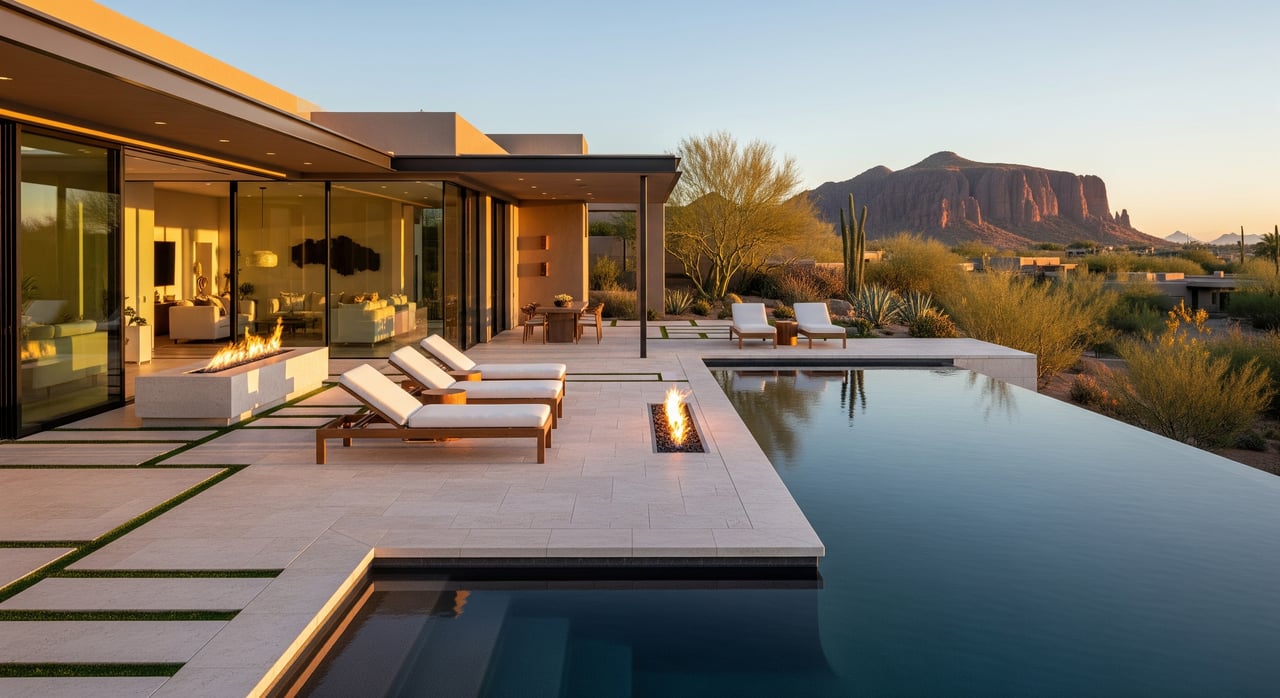
Living in Mesa AZ: Everyday Life in the East Valley
February 5, 2026
February 5, 2026
Thinking about a move to Mesa’s East Valley but not sure what daily life actually looks like? You are not alone. Mesa spans walkable historic blocks, quiet suburban cul-de-sacs, and desert foothills with mountain views, so the lifestyle can feel very different from one area to the next. In this guide, you will see how the main neighborhood types compare, what commutes and amenities are like, and how to narrow your search with practical, local tools. Let’s dive in.
Mesa is one of Arizona’s largest cities, and its neighborhoods vary widely. Central and downtown areas feel more urban and arts-focused. Established suburbs offer mature streets and nearby parks. Newer master-planned communities in East Mesa emphasize on-site amenities. Foothill and golf enclaves bring scenic desert living. Proximity to Phoenix-Mesa Gateway Airport adds another option for travel-minded buyers.
You will likely drive for most errands, though some central pockets offer better walkability and transit access. Outdoor time shifts with the seasons: early mornings and evenings in summer, then long, sunny days outside from fall through spring. The variety is the point. Mesa lets you choose the trade-offs that fit your life stage and routine.
If you like a bit of urban energy, central Mesa puts you near cultural venues, civic spaces, and dining along and near Main Street. Housing includes older single-family homes, bungalows, townhomes, and some infill development. You may be able to run quick errands by foot or a short drive. Evenings often revolve around local restaurants, galleries, and community events.
Many mid-century and late 20th-century subdivisions spread across central and west Mesa. Expect tree-lined streets, modest yards, and nearby parks. Homes are often ranch or split-level styles. Buyers who value value and a mature neighborhood setting tend to explore these areas for their steady feel and convenient shopping corridors.
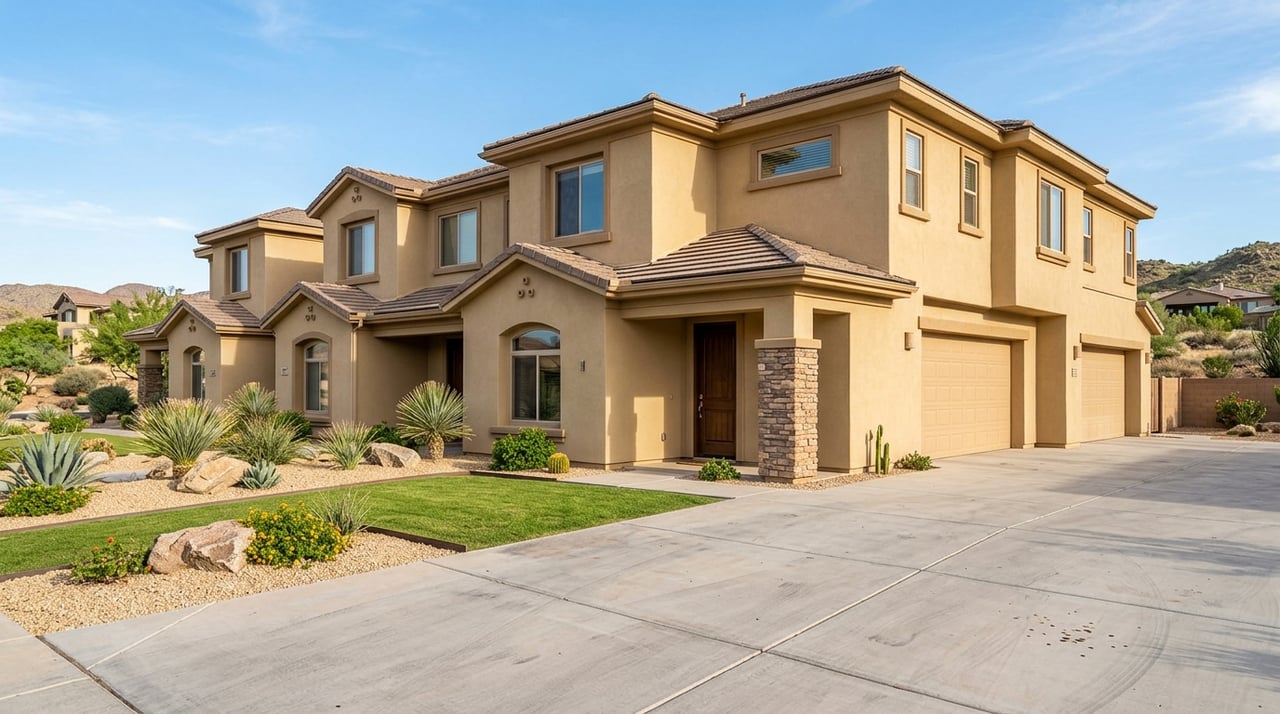
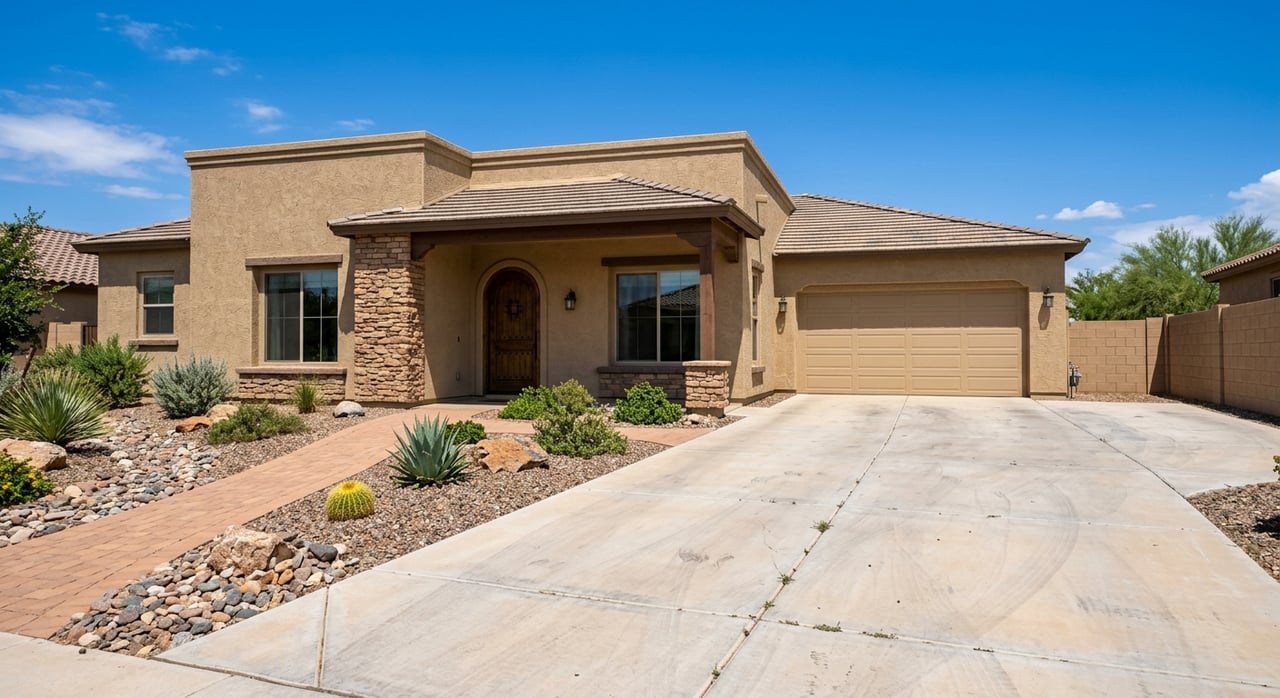
In East Mesa, newer master-planned communities are common. Many have HOAs, community pools, pocket parks, and walking paths. You will find contemporary single-family homes and townhouses with newer systems and layouts. These neighborhoods often sit near newer schools and arterials that connect to regional freeways.
North and northeast Mesa include hillside pockets with views and course-side properties. Homes here skew larger with some gated or custom options. The pace is quieter, and trailheads are a shorter drive away. If you prefer a scenic backdrop and easy access to desert recreation, this area can fit the bill.
Closer to Phoenix-Mesa Gateway Airport, you will see a mix of newer subdivisions and light industrial or commerce zones. Housing ranges from entry-level single-family to newer communities that value quick airport and freeway access. It is practical for frequent flyers or those working in nearby employment centers.
Mesa is primarily served by Mesa Public Schools, the state’s largest district, and you will also find charter and private school options. Because city and district boundaries do not always line up, verify school attendance zones directly with Mesa Public Schools and state report cards via the Arizona Department of Education. For higher education, the ASU Polytechnic campus in Mesa offers programs and research facilities at the east end of the city. You can explore campus details through ASU’s Polytechnic site.
You will have plenty of grocery choices, national retailers, and local shops across Mesa. Downtown clusters restaurants, cafés, and arts venues, while east-side commercial corridors serve master-planned communities. Many residents also hop over to nearby East Valley cities for additional dining and entertainment. The City’s site lists community facilities and park maps that make weekend planning easier; you can find resources on the City of Mesa website.
Multiple hospital systems and urgent care networks support Mesa and the East Valley. Services range from emergency care to specialty centers. For city services such as utilities, permits, libraries, recreation centers, and parks, start with the City of Mesa. It is the most direct way to check hours, locations, and updates.
Driving is the main mode for most residents. Commute times vary by neighborhood and time of day, especially if you work in central Phoenix or another East Valley hub. When you compare areas, run your exact route at the times you expect to travel. This small step can reveal big differences between central, east-side, and foothill locations.
Mesa has regional bus service and light rail access in certain corridors. Transit coverage depends on the neighborhood, with more options closer to central areas and major arterials. For current routes and service maps, use Valley Metro.
Phoenix-Mesa Gateway Airport in southeast Mesa offers limited commercial routes that can be very convenient if they match your destinations. Learn more at Phoenix-Mesa Gateway Airport. Phoenix Sky Harbor International Airport is the region’s primary hub and is reachable by car or transit connections.
Central and downtown areas are the most walkable. Suburban areas are more car-oriented but often include neighborhood parks and multi-use paths. Many parts of Mesa connect to regional trail systems for recreational biking, and desert trailheads sit a short drive away from northeast and east-side neighborhoods.
Weekend plans here often include hiking, boating, and desert views. The Superstition Mountains and Tonto National Forest lie just to the east for hiking and scenic drives. Local lakes on the Salt River system offer boating and paddling options within a reasonable drive. Many master-planned areas add community pools and pocket parks so you can stay active closer to home.
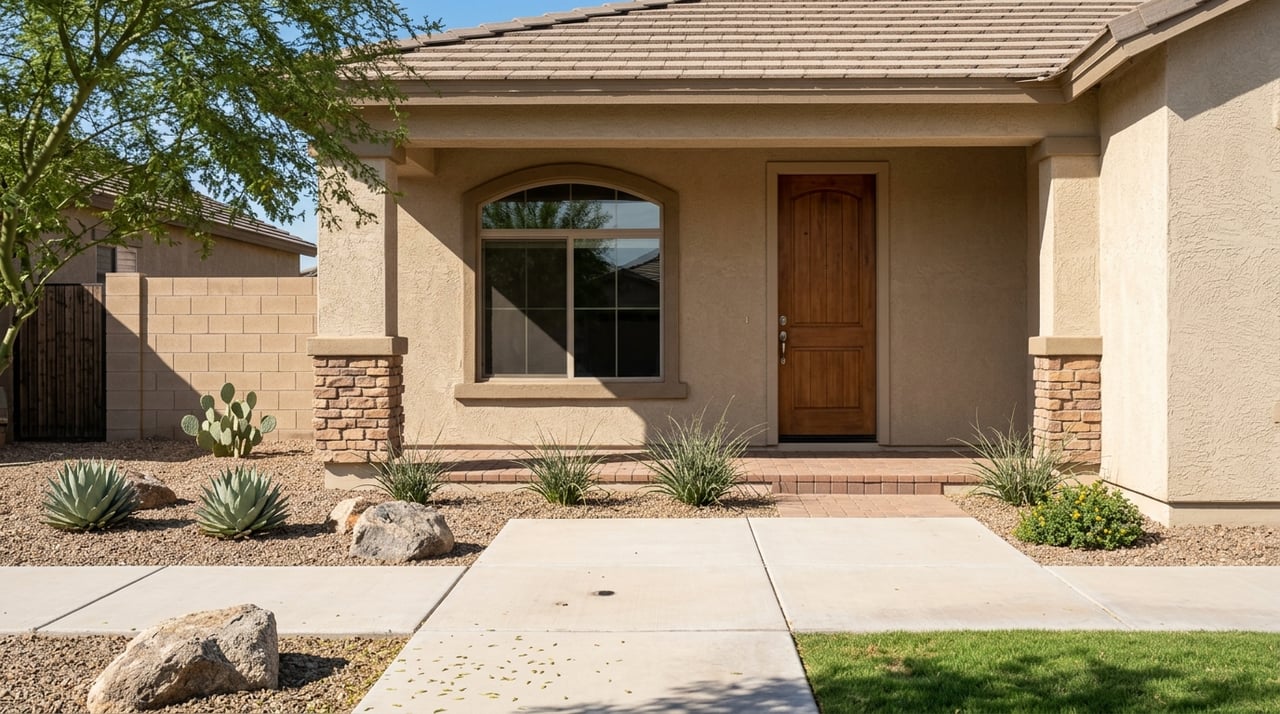
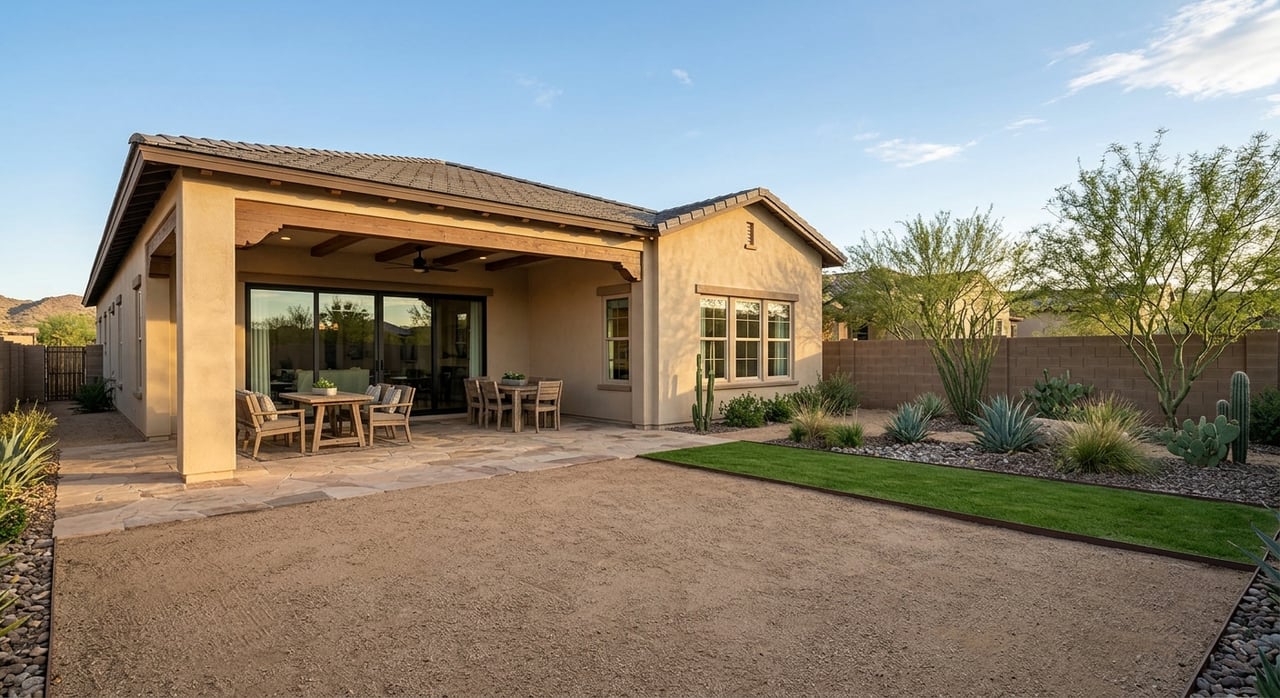
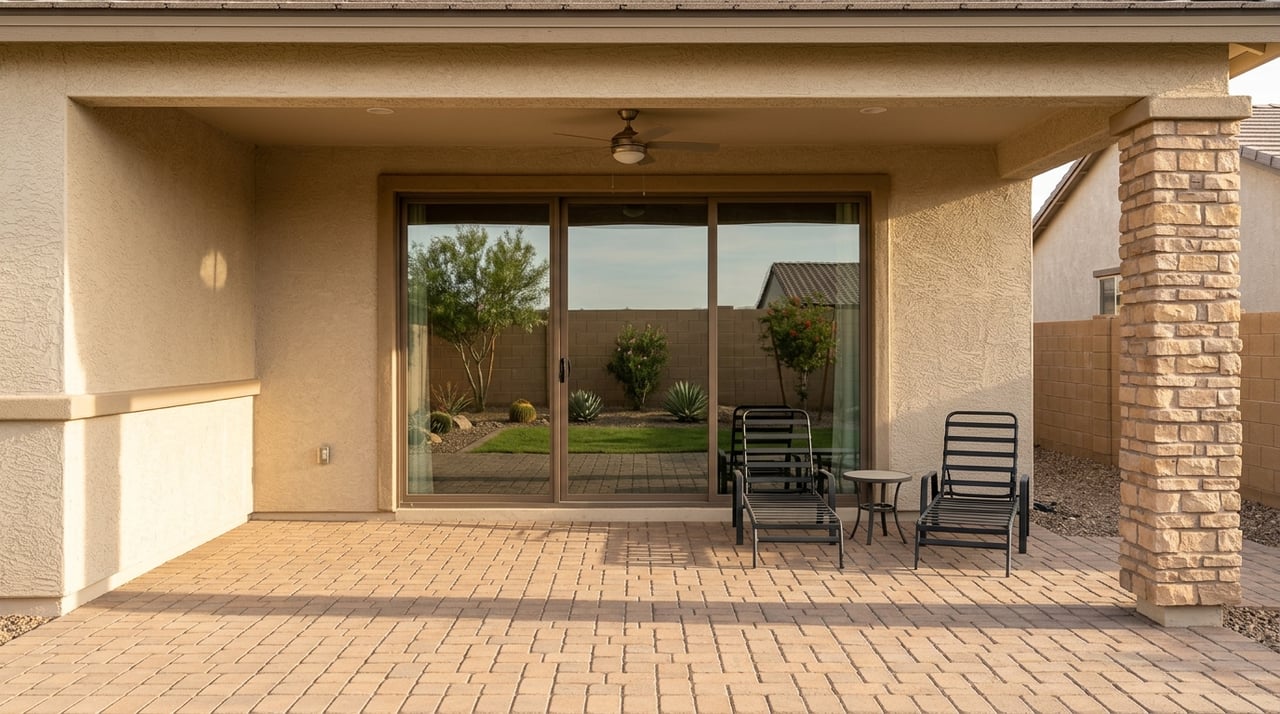
Mesa’s desert climate shapes your day-to-day. Summers are very hot, so people shift outdoor time to early mornings and evenings. Fall through spring delivers mild, sunny weather that invites more outdoor living. Homes commonly feature air conditioning, covered patios, and desert-friendly landscaping. Pools are popular where HOAs and lot sizes allow.
Central Mesa hosts cultural institutions, seasonal events, and local markets that bring neighbors together. Across the city, you will find community centers, libraries, parks, and sports fields. Check schedules and offerings on the City of Mesa site to plan your calendar.
Mesa’s housing spans entry-level condos and older single-family homes to mid-priced suburban properties and higher-end foothill or golf homes. New construction is active in East Mesa, tied to broader regional cycles. Mesa often compares favorably on price to some nearby suburbs, though specific pockets command higher prices due to views, golf frontage, or new luxury features.
Think in trade-offs as you explore:
To understand the city in context, you can reference population and commute snapshots on U.S. Census Bureau QuickFacts for Mesa. For active or planned transportation projects that may affect drive times, review updates at ADOT.
Use this quick plan to narrow the search:
When you are ready to move from research to action, a local guide can help you balance budget, location, home type, and timing with confidence.
If Mesa’s East Valley is on your list, you deserve clear answers and a smooth process. As a Mesa-based REALTOR who knows these neighborhoods street by street, I help you focus on the right areas, verify the details that matter, and present your home at its best if you are selling. From CMAs and pricing strategy to turnkey prep with trusted vendors, you get responsive, high-touch support from start to finish.
Ready to explore neighborhoods, preview homes, or plan a sale with confidence? Let’s connect and map out your next steps with Brittany Arnett. Let’s find your next home.
Stay up to date on the latest real estate trends.
Whether you’re buying your first home or selling your current one, Brittany Arnett delivers hands-on support, strong negotiation, and local market knowledge to help you win in Mesa real estate.
BRITTANY ARNETT
2233 S Springwood Blvd Mesa AZ 85209