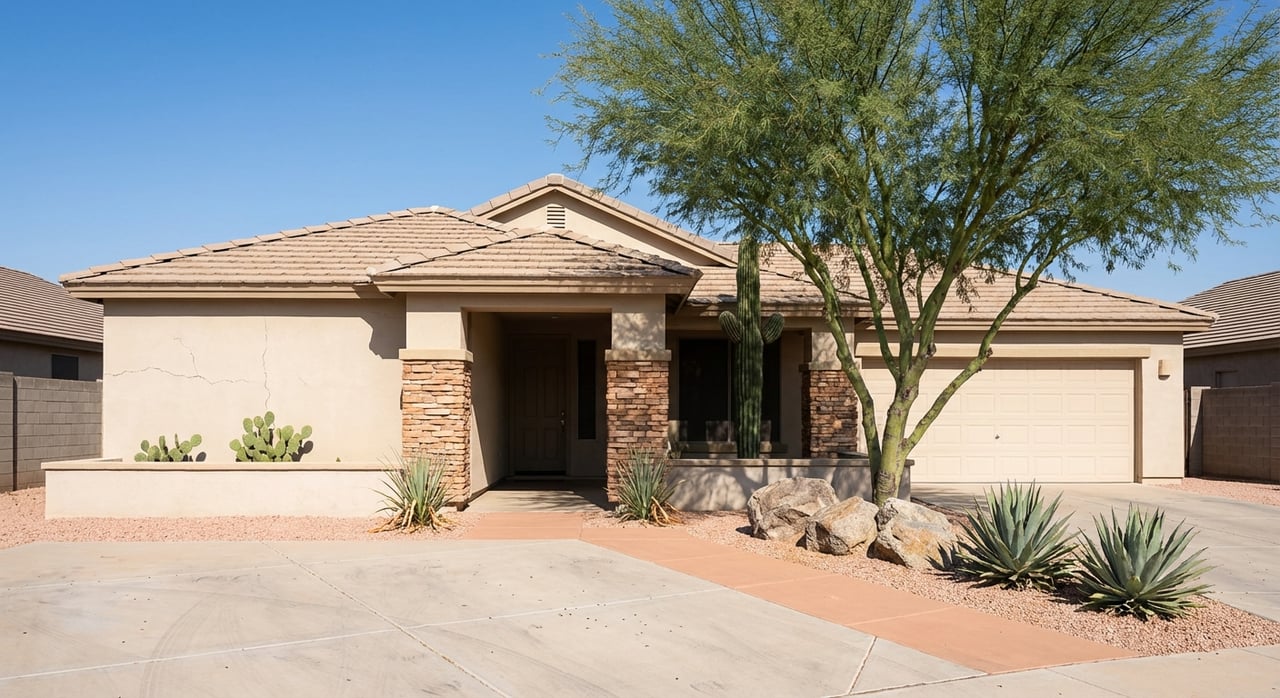
How to Prep and Price When Selling a Home in Mesa
February 19, 2026
February 19, 2026
Thinking about selling your Mesa home but not sure where to start or how to price it right now? You are not alone. With more balanced conditions than the pandemic peak, today’s market rewards smart prep and data-driven pricing. In this guide, you will learn what to fix first, how a real CMA sets the right list price, and the simple steps that help you sell faster and for more. Let’s dive in.
Mesa sits near a mid-400K midpoint today, and listings are taking longer to sell than they did at peak seller conditions. Redfin’s January 2026 snapshot reported a median sale price around $451,100 and a median of roughly 71 days on market. Different data sources use different methods, which is why you may also see a lower “typical value” from other providers. What matters most is your specific ZIP and price band, since activity can vary street by street.
Local reports in 2025 and early 2026 described Mesa moving closer to a balanced market, with more negotiation on homes that are not dialed in. A balanced market means pricing discipline matters. Well-prepared, well-priced homes still attract strong attention. Homes with deferred maintenance or aggressive list prices tend to linger, then reduce. For most sellers, clear prep and a smart starting price make the difference. A Mesa market update from local press captured this shift well.
A comparative market analysis is your pricing foundation. It compares your home to the most similar nearby sales and current competition so you can pick a strategy that matches your goals.
Your agent begins by documenting the facts: square footage, lot size, bed/bath count, pool, garage, year built, roof and HVAC age, upgrades, and overall condition. These details drive value and the adjustments that follow. See how value models weigh features in plain language in this step-by-step explainer on how home value is calculated.
Strong comps come from the same subdivision or a tight radius when possible. In a steady market, use sales from the last 3 months. If sales are sparse, you can extend to 6–12 months and add pending and active listings for context. Expired and withdrawn listings show what price points the market rejected.
No two homes are identical. Your CMA should adjust for square footage, lot size, pool or no pool, major systems, and time since sale. Simple, transparent explanations help: a credit for a newer roof, or an adjustment down if your home is missing a feature that most nearby sales include. Many agents also spot-check a price-per-square-foot range to confirm the final number.
Balanced markets require timing awareness. If comp sales closed 60–90 days ago and the market has softened or picked up since then, apply a time adjustment. Days on market trends and list-to-sale ratios help you understand what buyers are actually paying this month.
Ask for three scenarios in your CMA so you can align price to your goals:
A quick example using simple math: if your recent adjusted comps suggest $225 to $235 per square foot and your home is 2,000 square feet, that implies an expected range of about $450,000 to $470,000 before any final tweaks for condition or timing. Your agent will refine this with neighborhood-specific data.
Tackle the high-impact items in this order so you protect your price and avoid last-minute deal stress.
Fix problems that can derail financing or insurance: roof leaks, active plumbing leaks, major electrical hazards, and HVAC that does not cool. In Arizona, reliable cooling is non-negotiable. If your roof or HVAC is near end-of-life, get an inspection and local bids so you can decide whether to repair now or offer a credit later. Regional summaries show roof replacements can be costly, and while you may not recoup every dollar, unresolved issues can drag down offers. See example ranges and why documentation matters in this roof replacement overview.
Repair water stains, cracked windows, missing handrails, and obvious wear that makes buyers worry about bigger unseen issues. Present recent service records for HVAC, roof, and pool equipment. In Mesa, many buyers expect a functional, clean pool setup with clear maintenance logs.
Focus on the must-dos that show up in buyer feedback the most: full-house declutter and deep clean, fresh neutral paint, new caulk and grout, and tidy landscaping. Small exterior projects often produce strong returns. Industry Cost vs. Value summaries regularly highlight garage and entry doors, manufactured stone accents, and minor kitchen refreshes for solid ROI. See recent ROI context here: what minor projects recoup most value.
Parts of Maricopa County, including areas in and around Mesa, have mapped earth fissure and expansive soil zones. If your home shows foundation or stem-wall concerns, get a qualified inspection and plan to disclose findings. Learn more from the Arizona Geological Survey’s earth fissures overview.
Staging and top-tier presentation shorten time on market and can lift offers. The National Association of REALTORS® reported that many agents see staging increase offers by 1 to 10 percent, with a median staging cost near $1,500. See the summary of findings here: NAR report on staging benefits.
In a balanced market, the right list price is usually close to the CMA midpoint for your micro-market. If you want speed, start modestly below that number to capture early interest. If you can wait and your home is in excellent condition, a slightly higher list price can work, but be ready to adjust quickly based on showings and feedback.
Arizona law requires sellers to disclose known material facts that could affect a buyer’s decision or the property’s value. Most brokers use the Seller’s Property Disclosure Statement (SPDS) to organize these facts, though the SPDS form itself is not what creates your legal duty. A.R.S. § 32-2156 also clarifies certain items you are not required to disclose, such as some stigmatizing events, but this does not excuse non-disclosure of material defects. Review the statute text here: A.R.S. § 32-2156.
Plan to disclose: known water intrusion or roof leaks, foundation or expansive-soil concerns, unpermitted work or remodel history, HVAC age and service records, termite treatments, prior insurance claims, and HOA rules or pending violations. For complex questions, consult your broker or a real estate attorney.
Preparing and pricing with intention helps you protect your time and your bottom line. If you would like a neighborhood-specific CMA, a tailored prep plan, or trusted local vendors, reach out to Brittany Arnett. Let’s find your next home.
Stay up to date on the latest real estate trends.

Whether you’re buying your first home or selling your current one, Brittany Arnett delivers hands-on support, strong negotiation, and local market knowledge to help you win in Mesa real estate.
BRITTANY ARNETT
2233 S Springwood Blvd Mesa AZ 85209