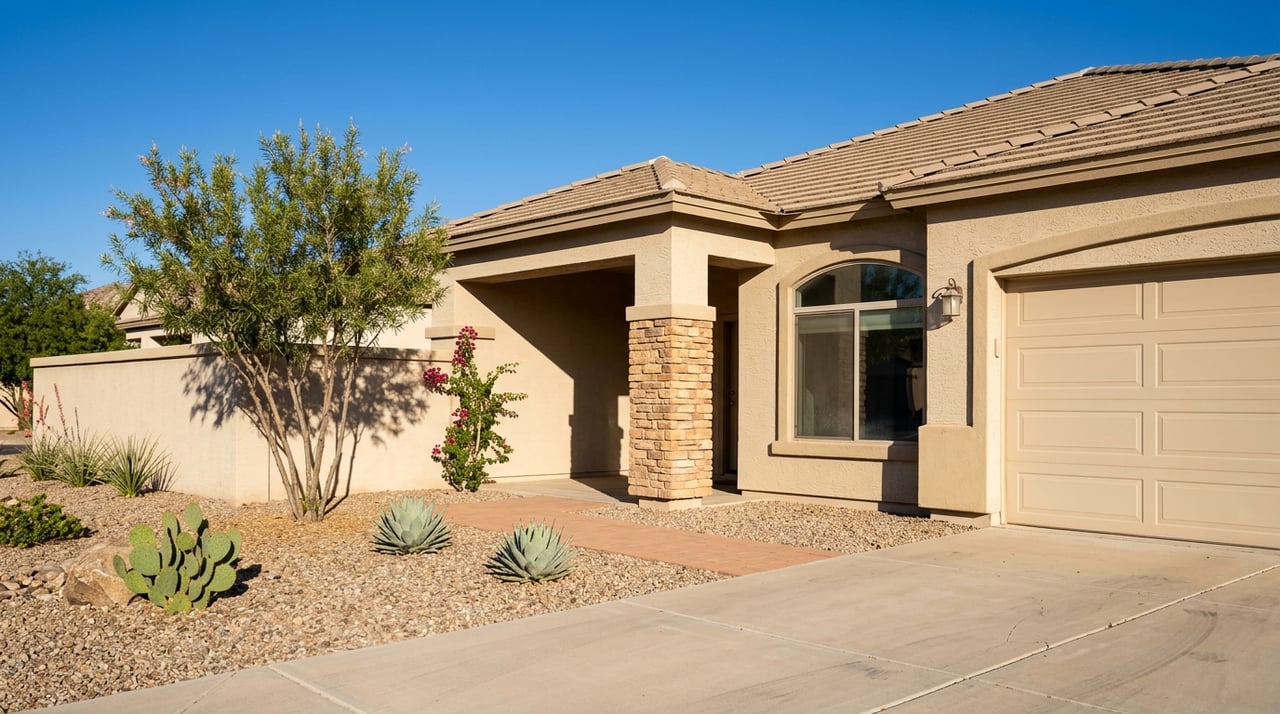
Is Chandler Price Corridor Living Right for You?
July 16, 2026
July 16, 2026
If you want an easier daily routine in Chandler, where you live matters almost as much as the home itself. For many buyers, the real question is not just square footage or finishes. It is whether you can get to work, run errands, grab dinner, and enjoy your weekends without spending too much time in the car. That is where living near Chandler’s Price Corridor stands out. In this guide, you’ll get a practical look at commute access, nearby amenities, housing options, and what to keep in mind if you want convenience without giving up a suburban feel. Let’s dive in.
Chandler’s Price Corridor is the city’s largest employment corridor and a major part of the local economy. The city describes it as a 5.7-square-mile district with 783 businesses and 41,620 jobs. It is designed around employment density, major road access, utilities, parks, and nearby residential options.
That matters if you are choosing a home based on how life will actually feel day to day. Instead of being a standalone office park, the Price Corridor functions more like a work-and-live area within Chandler. You can be close to major employers while still living in an established suburban setting.
Major employers tied to the corridor include Intel, Wells Fargo, Bank of America, Northrop Grumman, Microchip Technology, and Chandler Regional Medical Center. If your work is connected to one of these hubs, living nearby may help reduce commute stress and make your schedule more manageable.
One of the biggest advantages of living near the Price Corridor is regional access. From the corridor’s geographic center, the city estimates you are about 1 mile from Loop 101 and about 1 mile from Loop 202. That kind of access can make it easier to move around Chandler and connect to other parts of the East Valley.
The city’s June 2026 brochure also estimates about 2 miles, or roughly 5 minutes, to Chandler Fashion Center. Sky Harbor International Airport is listed at about 18 miles, or 19 minutes. For frequent travelers, hybrid workers, or anyone balancing a packed schedule, that level of connectivity is a real plus.
Chandler also notes that the city is served by three major highways, two railroad corridors, a planned street and transit network, and expanding bike and shared-use paths. In practical terms, you are not relying on a single route or one type of transportation connection. That flexibility can make everyday travel feel more workable.
Convenience does not mean every drive will be perfect. ADOT is widening and improving Loop 202 between Loop 101 and Val Vista Drive, and the project began in August 2024. It is expected to take about two and a half years.
That means weekend closures and detours can affect travel while the work continues. If you are home shopping near the Price Corridor, it is smart to think in terms of strong long-term access instead of expecting the exact same drive every day. A local agent can help you weigh commute patterns with current road conditions in mind.
A shorter commute is only part of the story. Living near the Price Corridor also gives you access to major shopping, dining, entertainment, and recreation options that can simplify your routine.
For many buyers, that means fewer long cross-town trips for ordinary errands. It also means you can keep work, shopping, and downtime relatively close together, which often makes a big difference in how a neighborhood feels once you move in.
Chandler Fashion Center is the main retail anchor associated with the corridor. The city’s 2026 budget book describes it as a 1.3-million-square-foot regional mall with a 20-screen theater complex, restaurants, department stores, and specialty stores.
Nearby power centers add even more everyday convenience. The city identifies stores such as Costco, DSW, Target, Hobby Lobby, and Lowe’s in the surrounding retail mix. City news also highlights newer entertainment draws like SCHEELS and Round1 Bowling & Arcade, which expand the shopping and activity options nearby.
If you like having retail and entertainment close at hand, this part of Chandler checks a lot of boxes. You can handle errands, shopping, and casual outings without planning your whole day around the trip.
Downtown Chandler adds a different kind of convenience. The city describes it as a compact district with dining, local retail, and events that work well for a range of outings.
If you want a change of pace from larger shopping centers, downtown gives you another nearby option for meeting friends, dining out, or enjoying local events. That mix can make the area around the Price Corridor feel more balanced, since you have both major retail and a more traditional downtown environment within reach.
South Chandler also offers strong recreation options. Playtopia at Tumbleweed Park is a 2.5-acre playground and picnic area, and the Tumbleweed Recreation Center is a 62,000-square-foot facility with classes, fitness areas, an indoor track, and family-oriented programming.
For buyers who want convenient access to outdoor space and structured recreation, those amenities matter. They add useful options for exercise, play, and weekend routines without requiring a long drive.
If you are picturing only apartments or only brand-new subdivisions, the reality is more mixed. Chandler says 71.7% of the city’s housing units are single-family homes. Apartments account for 20.9%, condos 5.5%, and mobile homes 1.8%.
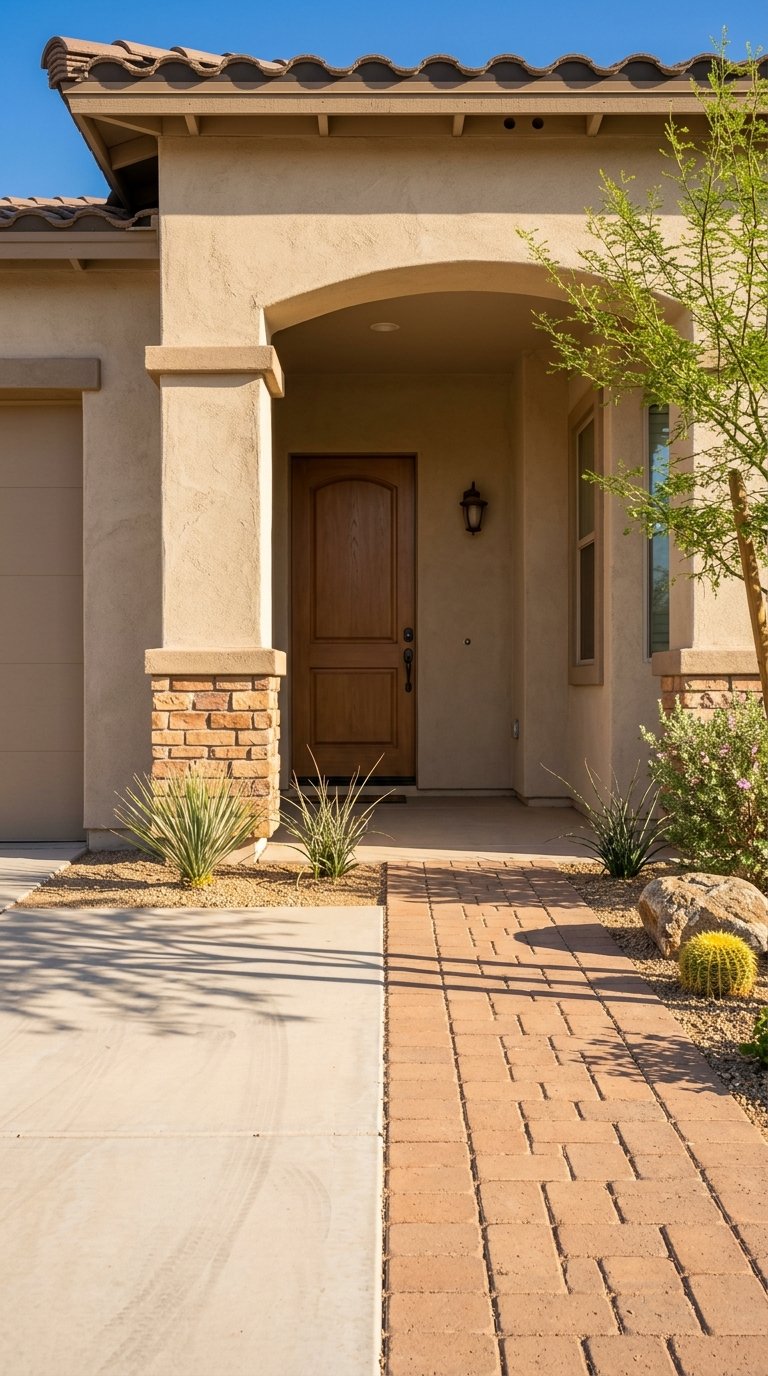
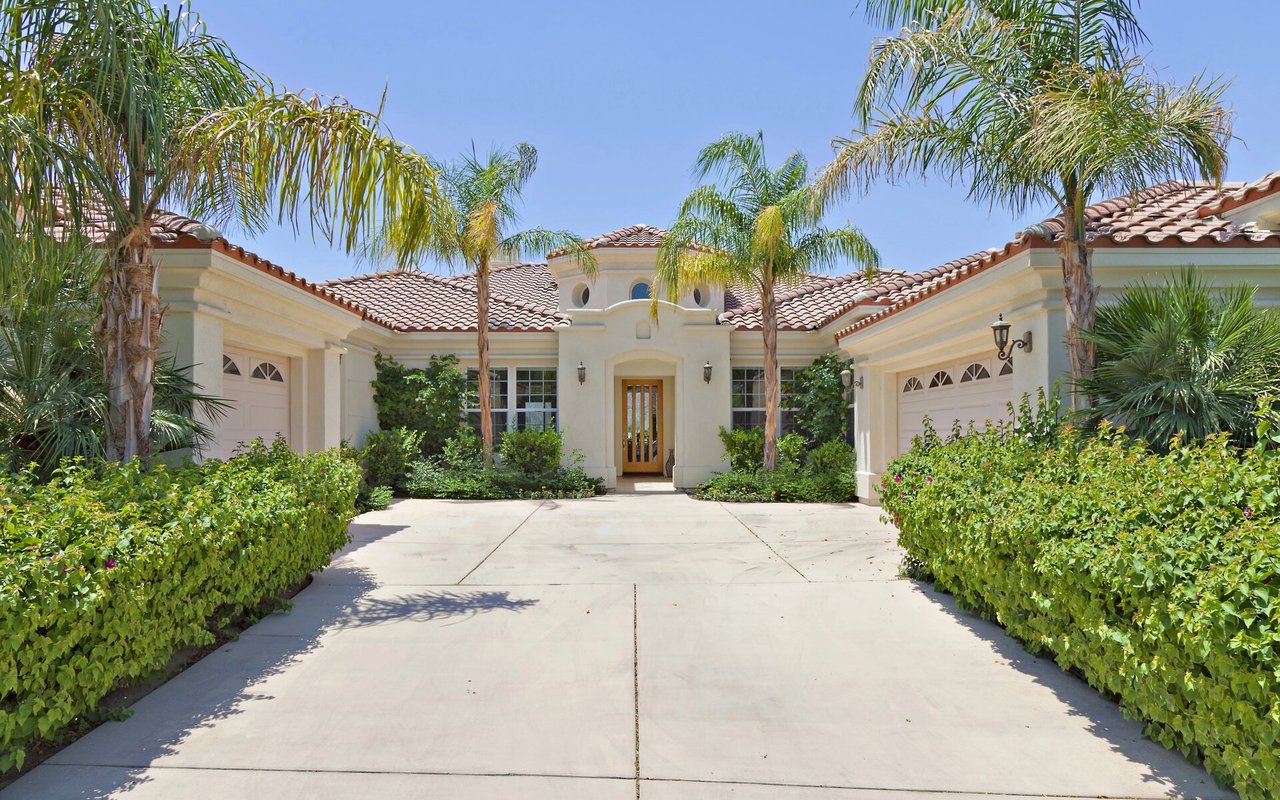
That citywide mix helps explain what many buyers will find around the Price Corridor. You are generally looking at established suburban Chandler, with detached homes making up the largest share of housing, along with condos, townhome-style options, and apartment communities near commercial areas.
Because about 93% of Chandler’s available land has already been developed, and less than 2% of the remaining land is designated for residential use, much of the city’s future housing growth is expected to come through infill and redevelopment. For you, that often means a more mature area with an existing street network, established amenities, and a range of housing choices rather than a far-edge new-build market.
Living near the Price Corridor can make sense for several kinds of buyers:
The biggest draw is often the combination of commute efficiency and everyday convenience. You may not be choosing this area for a resort-style master plan at the edge of town. You may be choosing it because life can feel easier here.
Every location has tradeoffs, and it helps to be clear-eyed about them. Near the Price Corridor, the upside is strong access to jobs, freeways, retail, and recreation. The tradeoff is that you are in a busy, highly connected part of Chandler, so traffic patterns and commercial activity are part of the package.
For many buyers, that is well worth it. If your goal is to reduce drive time, stay close to daily needs, and live in an established part of Chandler, the Price Corridor area can be a very practical fit.
If you are seriously considering this area, it helps to look beyond the home itself and think about your routine. A house that looks great online may feel different once you map out your work drive, weekend errands, and go-to recreation spots.
As you compare options, consider questions like these:
These are the details that help narrow your search in a useful way. When you match your home search to your real schedule, you are more likely to end up in a place that works well long after closing day.
If you are exploring Chandler and want a neighborhood-by-neighborhood view of what fits your commute, lifestyle, and home goals, working with a local agent can save you time. Brittany Arnett can help you compare East Valley options and find the right fit for the way you actually live.
Stay up to date on the latest real estate trends.
Whether you’re buying your first home or selling your current one, Brittany Arnett delivers hands-on support, strong negotiation, and local market knowledge to help you win in Mesa real estate.
BRITTANY ARNETT
2233 S Springwood Blvd Mesa AZ 85209